B2B prospecting is changing as sales teams rethink how they identify potential buyers. For years, most teams relied on static lead databases to build prospect lists.
These databases show firmographic details like company size, industry, revenue, and location. However, they rarely indicate whether a company is actively searching for a solution.
Because of this gap, sales teams often contact companies with no real buying interest. This leads to low reply rates, longer sales cycles, and inefficient prospecting efforts.
This is where b2b intent data providers change the process. Intent data identifies companies actively researching problems or solutions across the internet before they contact vendors.
These platforms analyze research activity, product comparisons, and technology exploration to detect buying signals early. This allows sales teams to focus outreach on accounts already showing interest.
In this guide, you will learn how buying signals work and what makes intent data reliable. You will also see a comparison of the best B2B intent data providers used to generate qualified leads.
The Hidden Problem with Most B2B Lead Databases
Most B2B sales teams still rely on traditional lead databases to build prospect lists. These tools help identify companies that match your ideal customer profile.
However, they fail to show whether those companies are actively looking for a solution. This lack of buying context is one of the biggest reasons outbound prospecting feels inefficient.
Firmographic data tells you who a company is, but not what they are planning to buy. As a result, sales teams operate without clear signals of demand.
Static Data Creates a False Sense of Qualification
Lead databases rely heavily on firmographic attributes to define target accounts.
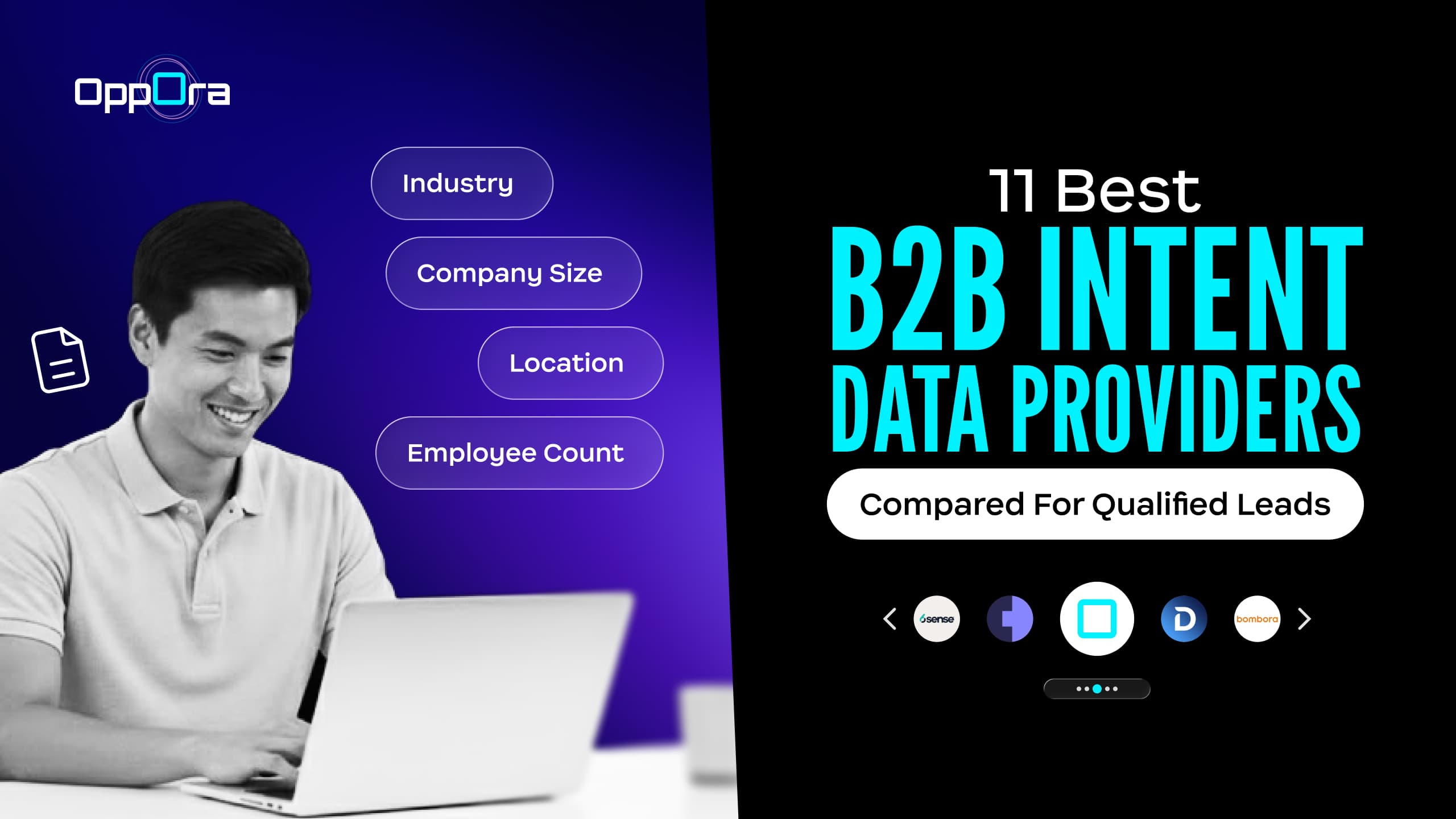
Typical data points include:
- Company size
- Industry
- Revenue
- Location
- Employee count
These attributes make accounts appear qualified on paper. However, they do not indicate whether the company is actively evaluating solutions.
This creates a false sense of confidence, where sales teams believe they are targeting the right accounts. In reality, many of these companies have no immediate intent to buy.
Outreach Targets Accounts With No Buying Readiness
Without intent signals, outreach is often directed at companies that are not in a buying cycle.
Sales teams end up contacting accounts that:
- Have no immediate need
- Are not evaluating vendors
- Are not planning new purchases
This lack of timing alignment makes outreach feel irrelevant to the recipient. Even well-crafted messages fail because the problem is not urgent for the buyer.
Prospecting Effort Gets Wasted on Low-Intent Accounts
When targeting is based only on static data, a large portion of outreach goes to low-intent accounts.
Sales teams spend significant time researching, writing, and sending messages. However, most of this effort does not translate into meaningful engagement.
This leads to inefficient use of time and resources across the entire sales process.
Poor Data Leads to Lower Conversions and Longer Cycles
The absence of buying signals directly impacts conversion rates.
Sales teams experience:
- Low response rates
- Longer sales cycles
- Fewer qualified opportunities
Because outreach reaches accounts too early or too late, deals take longer to progress. This slows down pipeline generation and makes revenue forecasting less predictable.
The 5 Buying Signals That Reveal High-Intent B2B Accounts
Most companies do not contact vendors immediately when they need a solution. Instead, they spend weeks researching options, exploring technologies, and comparing vendors.
During this process, buyers leave digital signals that reveal their intent. B2B intent data providers detect these signals across multiple online sources to identify companies already showing buying interest.
Understanding these signals helps sales teams prioritize accounts that are more likely to convert.
Content Research Signals
One of the earliest signs of buying intent is consistent research around a specific topic.
Companies exploring solutions often consume large amounts of content such as:
- Whitepapers
- Industry reports
- Product guides
- Blog articles
When multiple people from the same company repeatedly engage with similar content, it often signals early-stage research.
Intent platforms track this activity across publisher networks and content platforms to identify organizations exploring specific problems.
Product Comparison Signals
As buyers move closer to a purchase decision, they begin evaluating vendors and comparing products.
Common comparison activities include:
- Reading product comparison articles
- Visiting review platforms
- Evaluating feature lists
These behaviors indicate that buyers are actively exploring solutions rather than just researching a problem.
Many of the best B2B intent data providers track engagement across comparison platforms and industry websites to detect this stage of the buying journey.
Technology Exploration Signals
Another strong signal appears when companies research tools related to your product category.
Technographic signals may include:
- Evaluating competing tools
- Researching integrations
- Exploring technology stacks
When companies start analyzing multiple tools in the same category, it often suggests an upcoming purchase.
Hiring and Expansion Signals
Hiring activity can also reveal potential future software needs.
Examples include:
- Hiring sales teams
- Building marketing departments
- Expanding operations
When organizations grow their teams, they often adopt new tools to support those roles.
Website Engagement Signals
Some of the strongest intent signals come from activity on your own website.
Examples of first-party intent signals include:
- Repeated visits to product pages
- Time spent on pricing pages
- Demo or trial interest
Many B2B intent data providers combine these first-party signals with third-party research activity to identify high-intent companies earlier in the buying journey.
11 Best B2B Intent Data Providers Compared for Qualified Leads
Intent data platforms vary widely in how they collect and analyze buying signals. The quality of insights usually depends on signal sources, data accuracy, company coverage, and integrations with sales tools.
Some platforms focus on third-party research activity across publisher networks. Others combine intent signals with contact data, prospect discovery, and sales workflows.
Choosing the best intent data provider for B2B depends on how your team identifies and engages high-intent accounts. Below are the best B2B intent data providers used by sales and marketing teams to identify companies actively researching solutions.
1. Oppora.ai
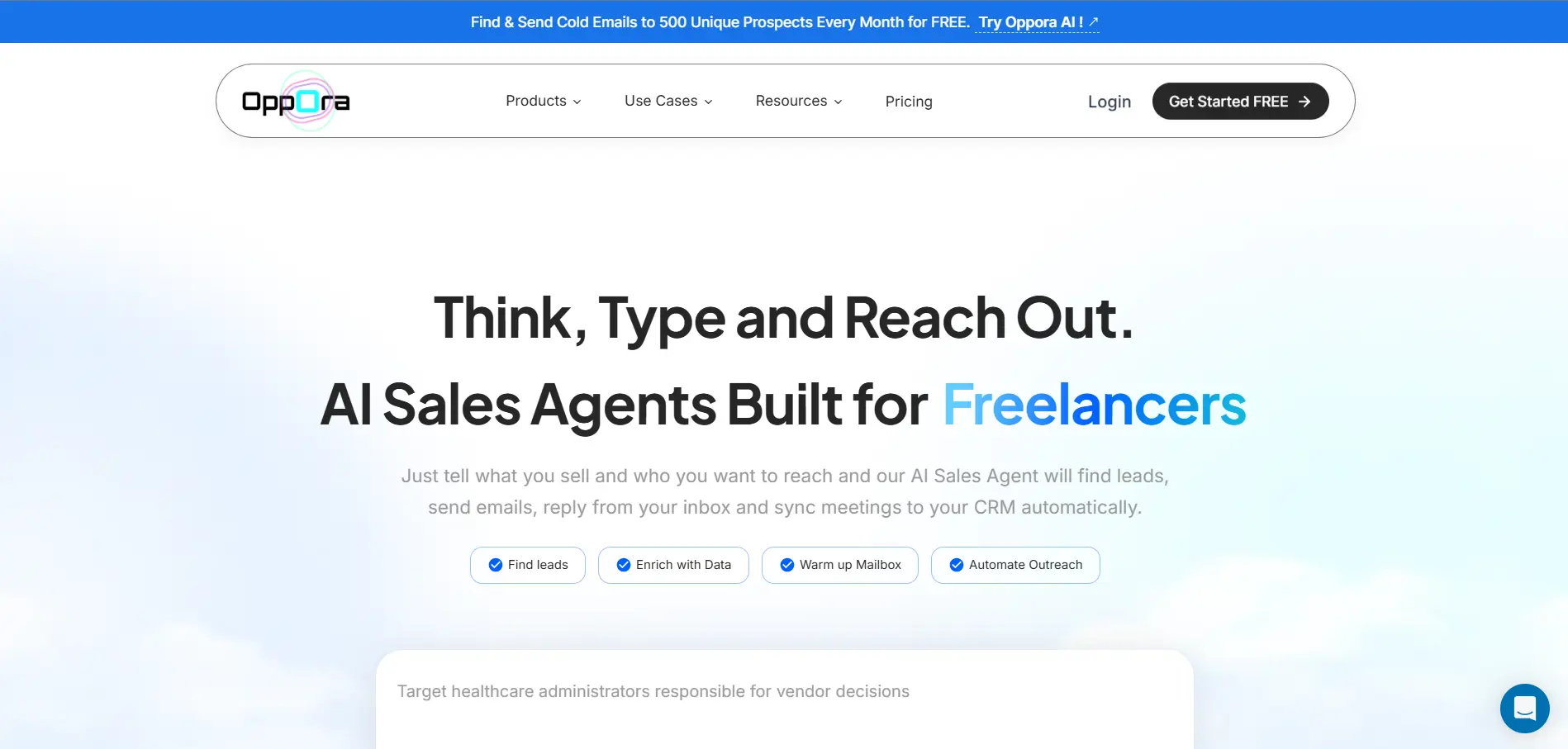
Oppora.ai combines intent detection with prospect discovery and outbound automation. Instead of only identifying signals, the platform helps teams move directly from intent insight to outreach execution.
Key Features
- AI-driven prospect discovery engine that identifies companies matching your ideal customer profile.
- 700M+ B2B leads database containing companies and verified decision-makers.
- Buying signal filtering to identify companies actively researching relevant solutions.
- Multichannel outreach workflows across email and LinkedIn.
- AI email personalization that generates unique outbound messages.
- Campaign workflow automation for follow-ups, responses, and meeting booking.
Intent Data Capabilities
Oppora.ai identifies companies showing buying interest by combining behavioral signals with firmographic data. These signals reveal organizations researching specific problems or evaluating solutions.
Unlike traditional intent platforms that only provide signals, Oppora.ai connects intent detection with lead discovery and outreach workflows. This allows sales teams to move from identifying intent to starting conversations much faster.
Best For
Sales teams that want intent detection, prospect discovery, and outreach automation in one platform.
2. Bombora
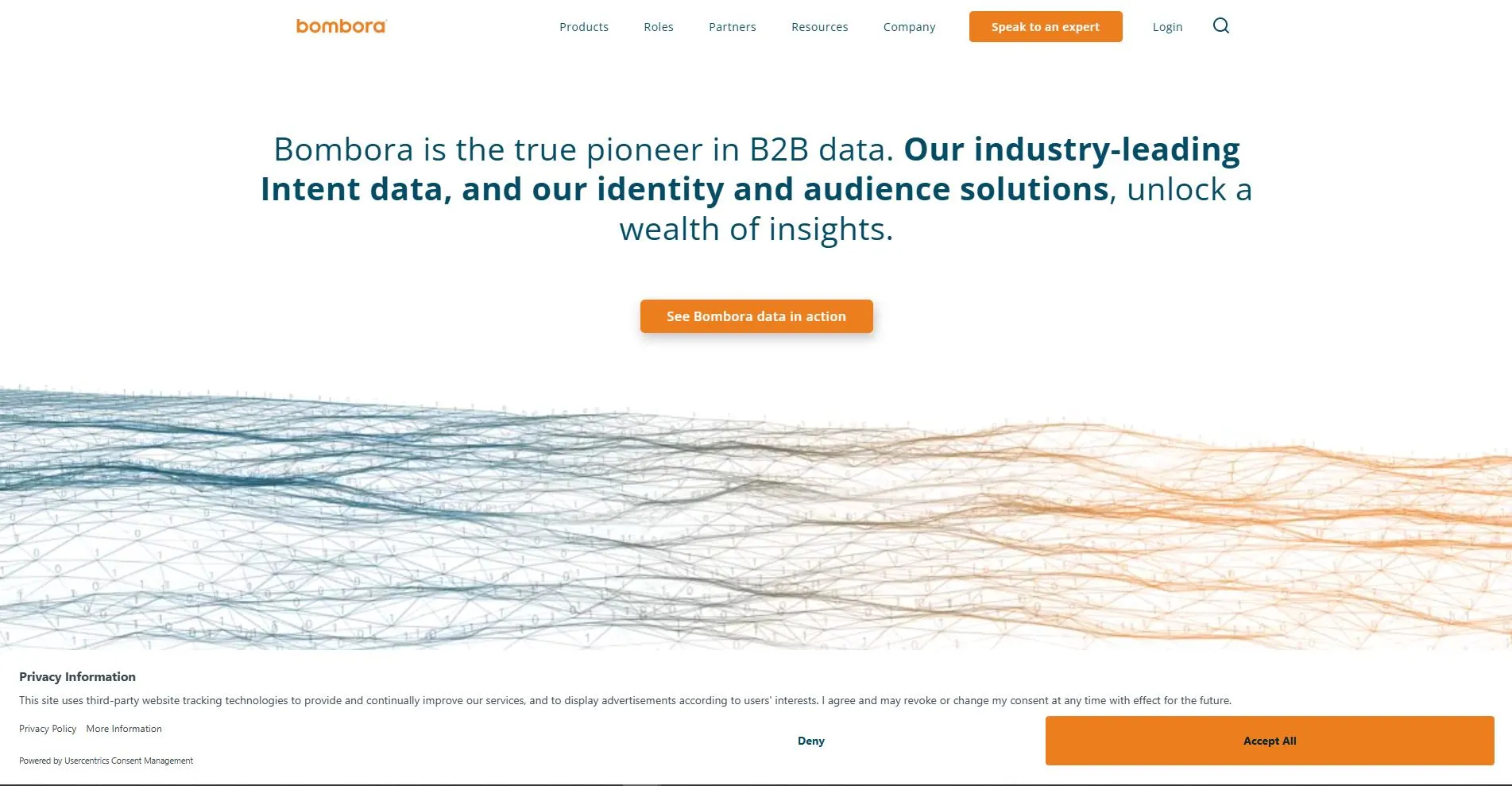
Bombora is one of the most widely recognized b2b intent data providers and is often used in account-based marketing programs.
Key Features
- Large B2B publisher data cooperative collecting behavioral research signals.
- Topic-level intent scoring showing which companies are researching specific subjects.
- Account prioritization tools that highlight high-intent accounts.
Intent Data Capabilities
Bombora collects research activity across thousands of B2B publishers and content platforms. The system detects when companies increase research activity around certain topics.
This data helps marketing and sales teams identify accounts showing rising interest in specific products or services.
Best For
Enterprise marketing teams running account-based marketing strategies.
3. 6sense
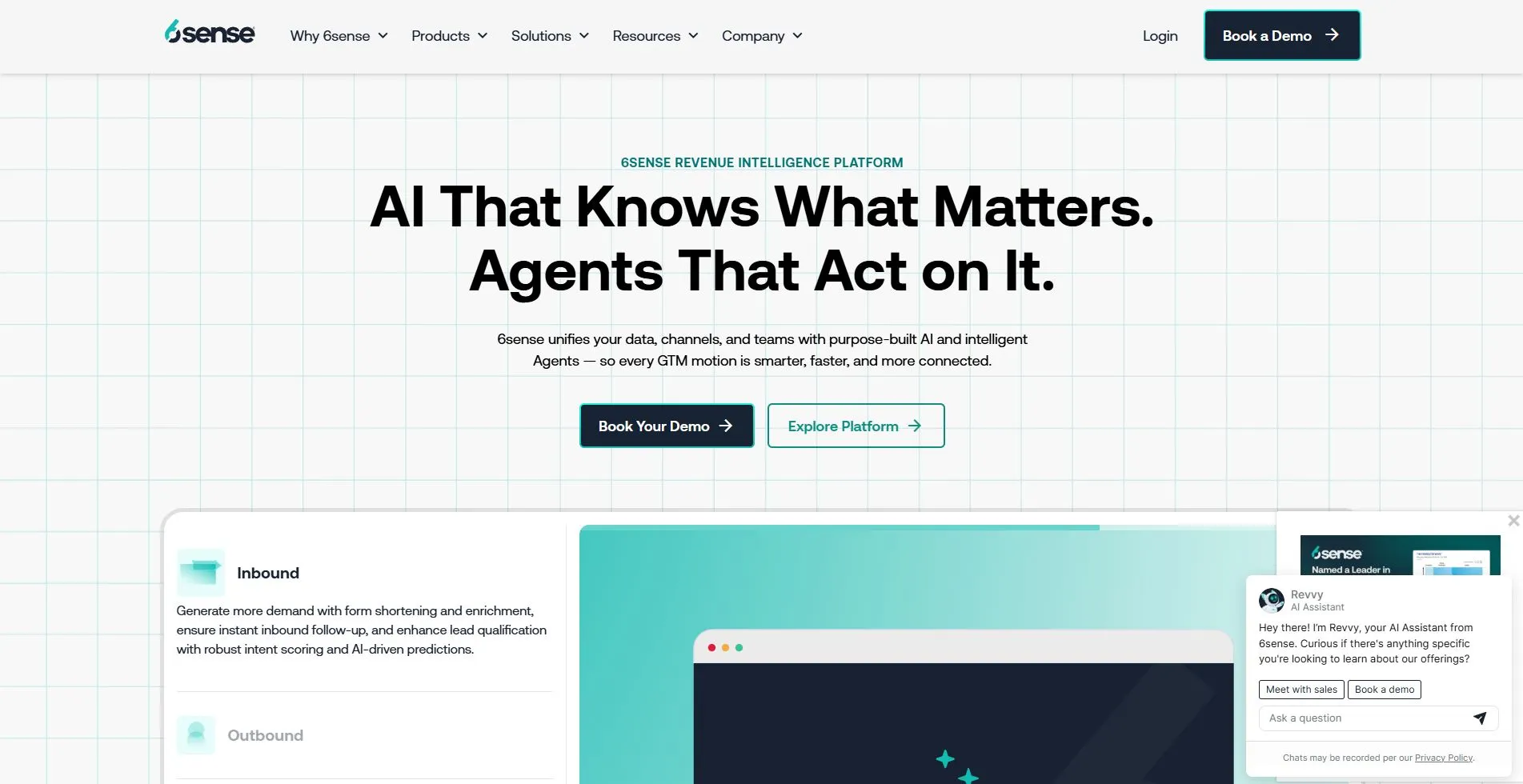
6sense is a revenue intelligence platform designed for large organizations managing complex sales cycles.
Key Features
- Predictive buying stage modeling to estimate where accounts are in the purchase journey.
- Account engagement insights tracking activity across multiple channels.
- Revenue intelligence dashboards for sales and marketing teams.
Intent Data Capabilities
6sense analyzes large volumes of behavioral data to predict when companies are entering a buying cycle. The platform combines intent signals, engagement data, and predictive AI models.
This helps revenue teams identify accounts most likely to purchase in the near future.
Best For
Large revenue teams managing complex ABM programs.
4. ZoomInfo Intent
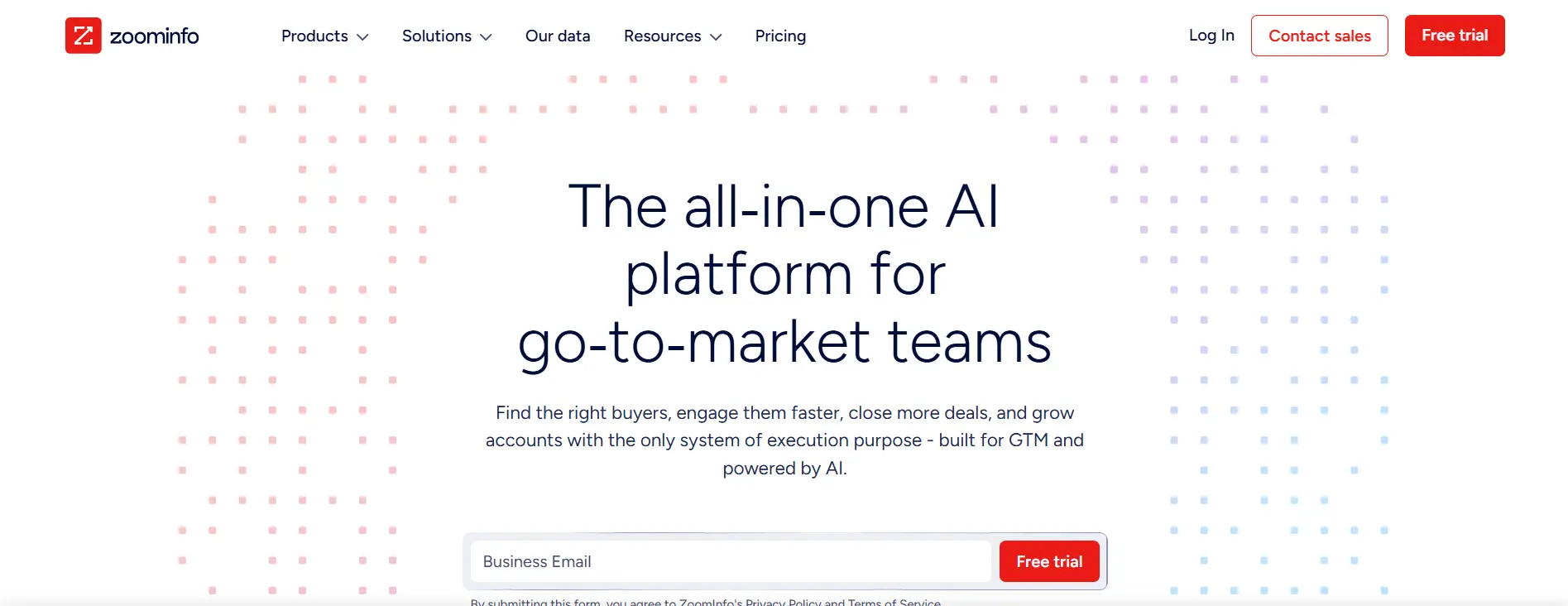
ZoomInfo combines intent signals with one of the largest B2B contact databases available.
Key Features
- Extensive B2B contact and company database for prospect discovery.
- Intent signal tracking integrated into company profiles.
- CRM integrations with major sales platforms.
Intent Data Capabilities
ZoomInfo tracks research signals across partner networks and integrates them with company intelligence. Sales teams can see which accounts are researching relevant topics.
This allows teams to combine intent signals with verified decision-maker contact data.
Best For
Sales teams already using ZoomInfo for prospecting and data enrichment.
5. Cognism
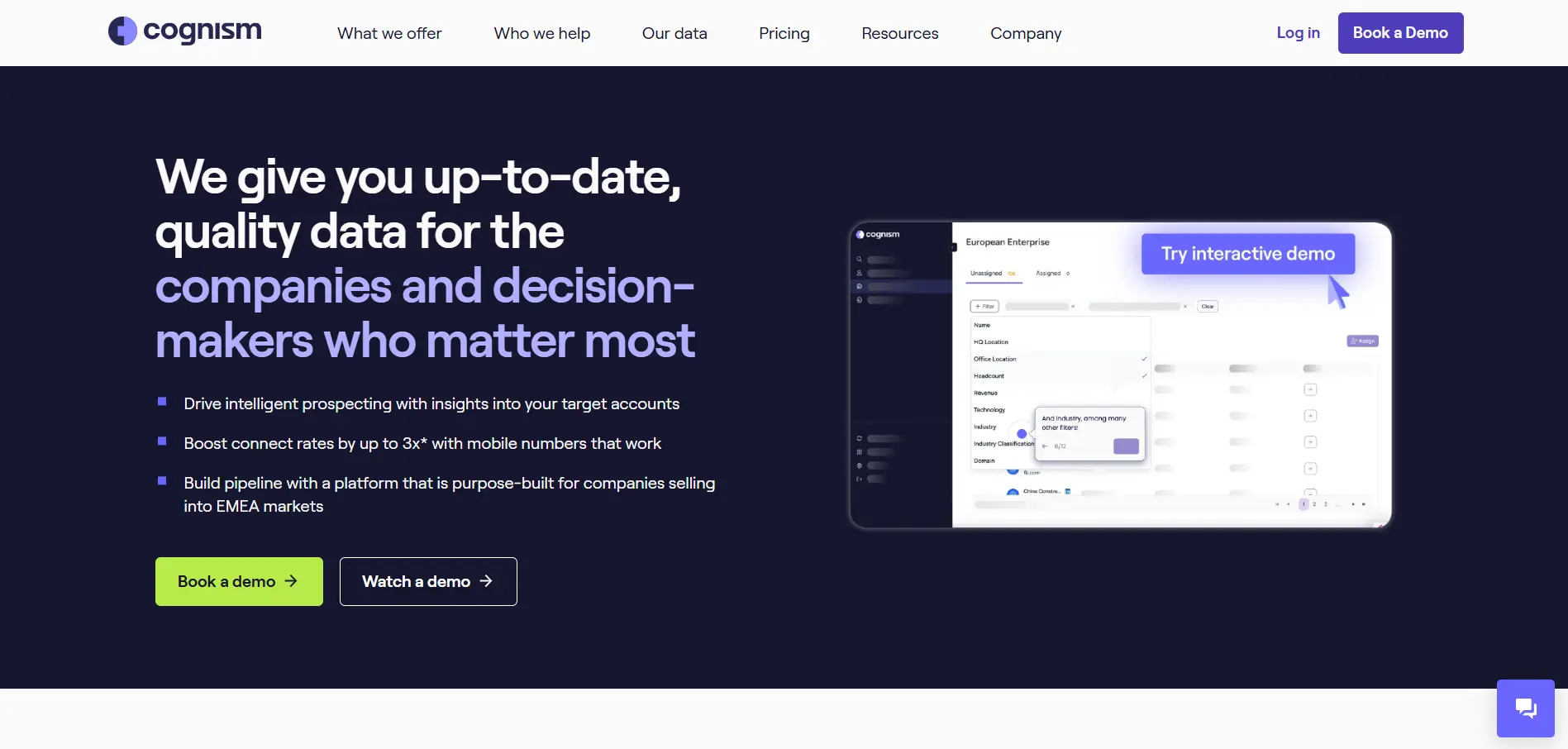
Cognism focuses on compliant global B2B data with strong coverage across Europe.
Key Features
- GDPR-compliant contact data designed for regulatory environments.
- Strong global and European coverage for international prospecting.
- Company and decision-maker intelligence tools.
Intent Data Capabilities
Cognism monitors engagement signals across partner networks to identify companies researching relevant topics.
The platform prioritizes compliance and data quality, making it attractive for organizations operating in strict regulatory regions.
Best For
European companies requiring GDPR-compliant prospect data.
6. Leadfeeder
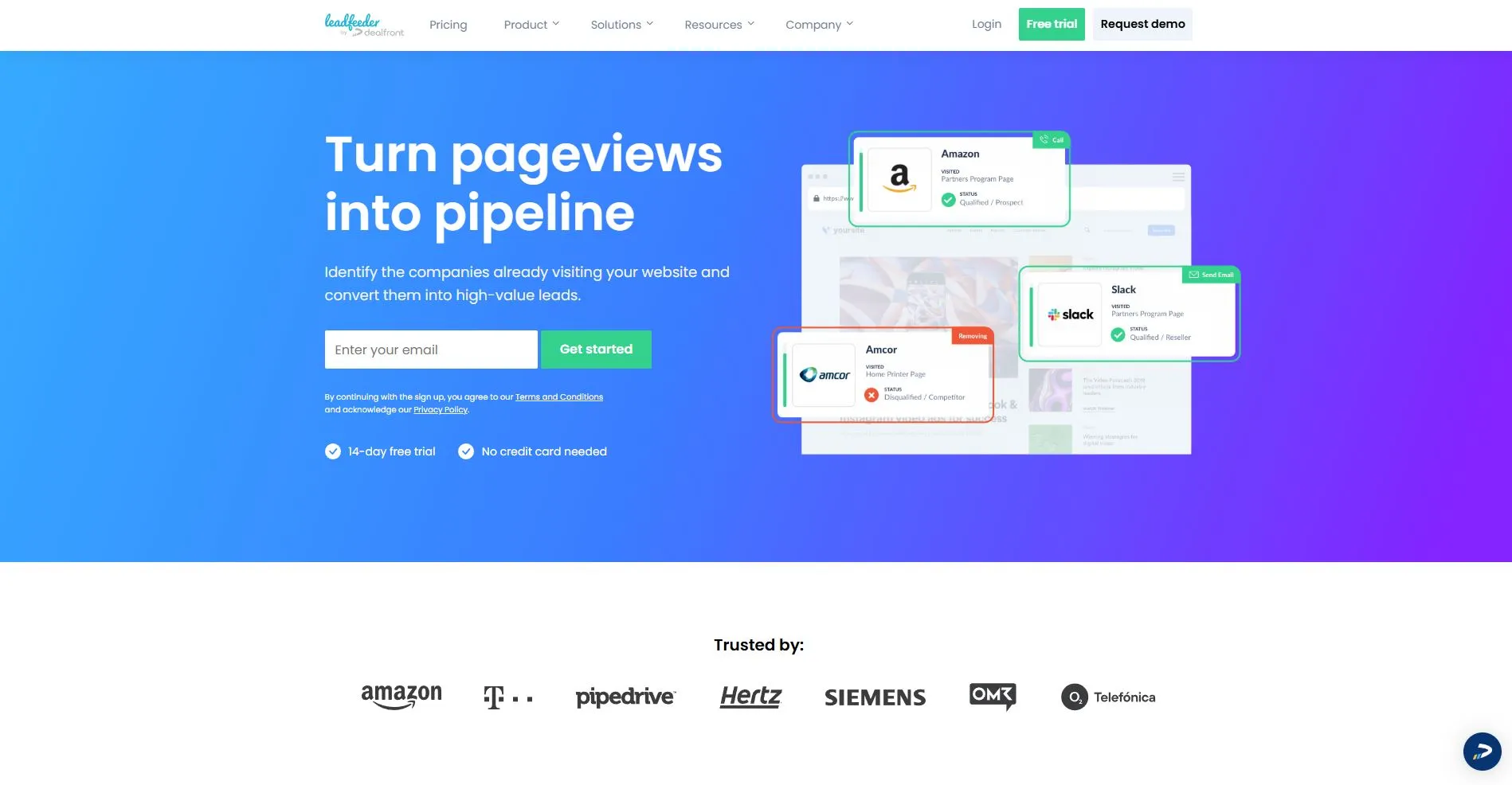
Leadfeeder focuses on identifying companies visiting your website and tracking their engagement.
Key Features
- Website visitor identification showing which companies visit your site.
- Company-level engagement tracking across pages and sessions.
- CRM integrations for sales follow-up.
Intent Data Capabilities
Leadfeeder identifies companies visiting your website even if they do not submit forms.
These first-party intent signals help sales teams detect organizations already exploring their product or service.
Best For
Inbound marketing teams analyzing website visitor activity.
7. Demandbase
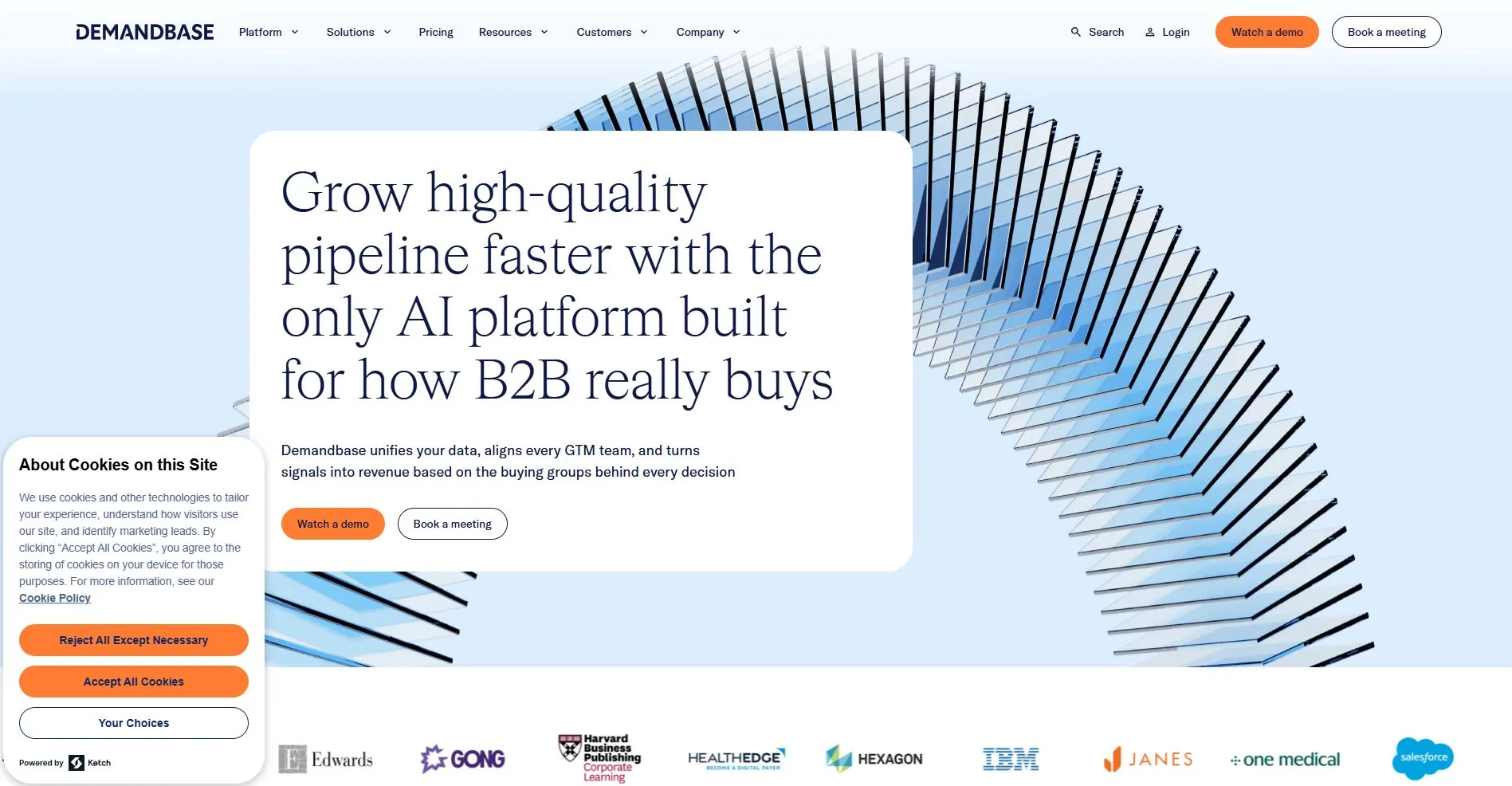
Demandbase is a comprehensive account-based marketing platform used by enterprise organizations.
Key Features
- ABM campaign management tools for targeting high-value accounts.
- Account scoring models based on engagement and intent signals.
- Personalization capabilities for account-level marketing.
Intent Data Capabilities
Demandbase aggregates multiple data sources including third-party research activity and marketing engagement.
These signals help identify accounts showing interest and enable more personalized campaigns.
Best For
Enterprise marketing organizations running large ABM programs.
8. G2 Buyer Intent
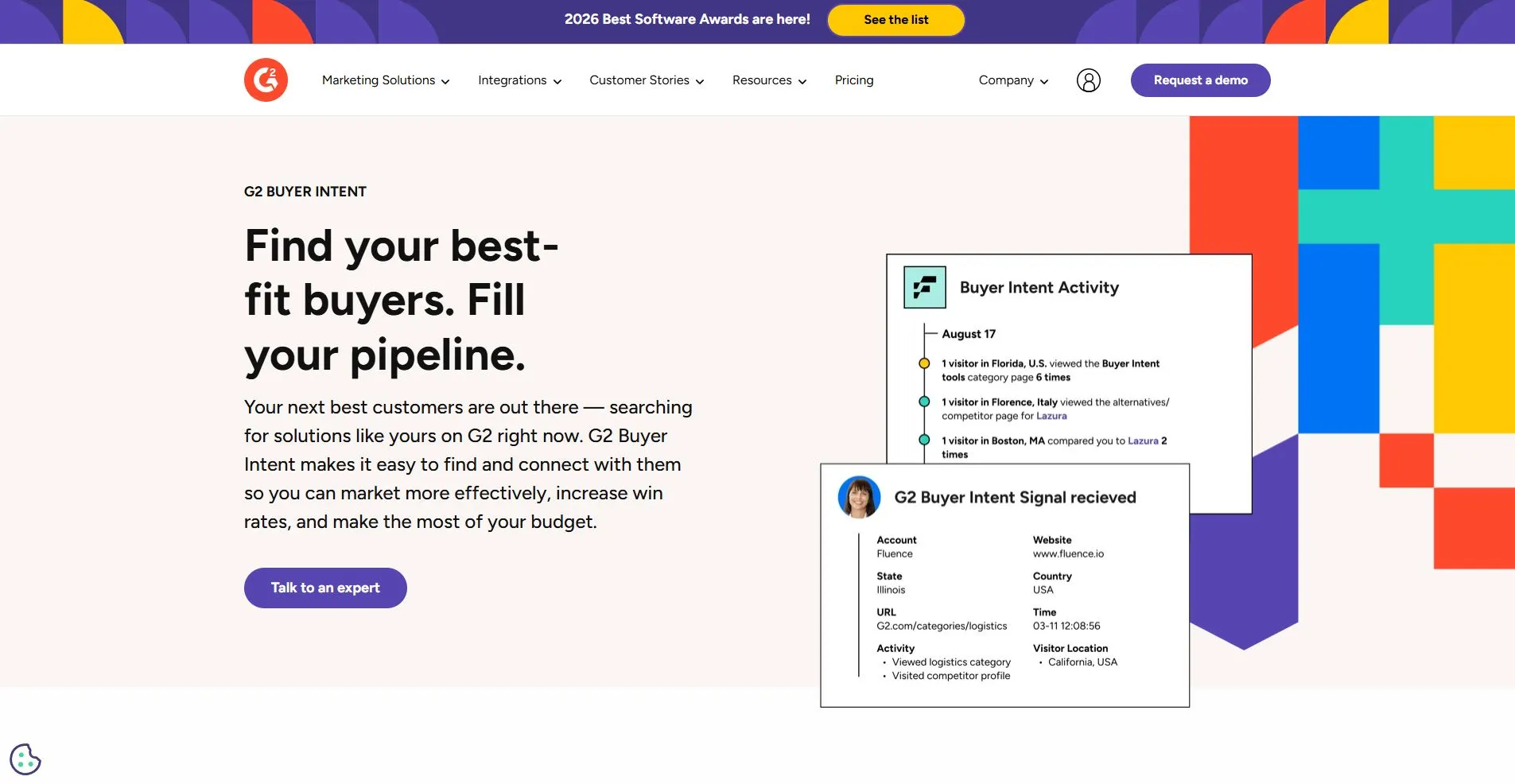
G2 Buyer Intent provides signals based on activity within the G2 software review platform.
Key Features
- Product comparison insights based on review activity.
- Vendor evaluation signals from buyers researching tools.
- Competitive analysis insights for software vendors.
Intent Data Capabilities
The platform tracks companies reading reviews, comparing products, and exploring alternatives on G2.
These signals often appear when buyers are evaluating solutions before making a decision.
Best For
Software companies monitoring buyer comparison activity.
9. UserGems
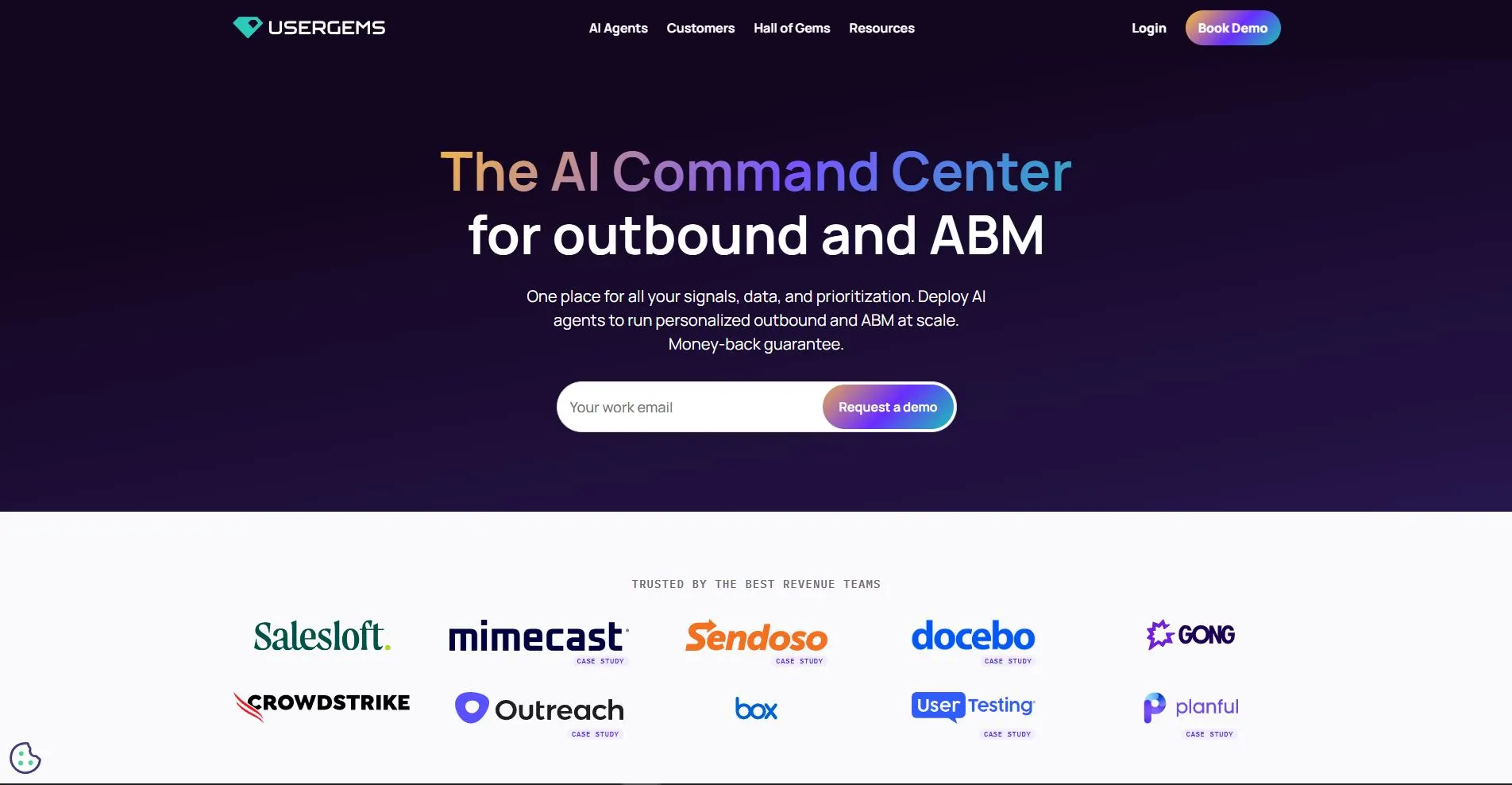
UserGems takes a relationship-based approach to intent data by tracking buyer job changes.
Key Features
- Buyer job-change tracking across companies.
- CRM integrations connecting signals to existing sales workflows.
- Relationship intelligence insights for reconnecting with known buyers.
Intent Data Capabilities
UserGems identifies when previous customers or champions move to new companies.
This signal often creates a new opportunity because buyers frequently introduce familiar tools into their new organizations.
Best For
Relationship-driven outbound sales strategies.
10. LeadSift
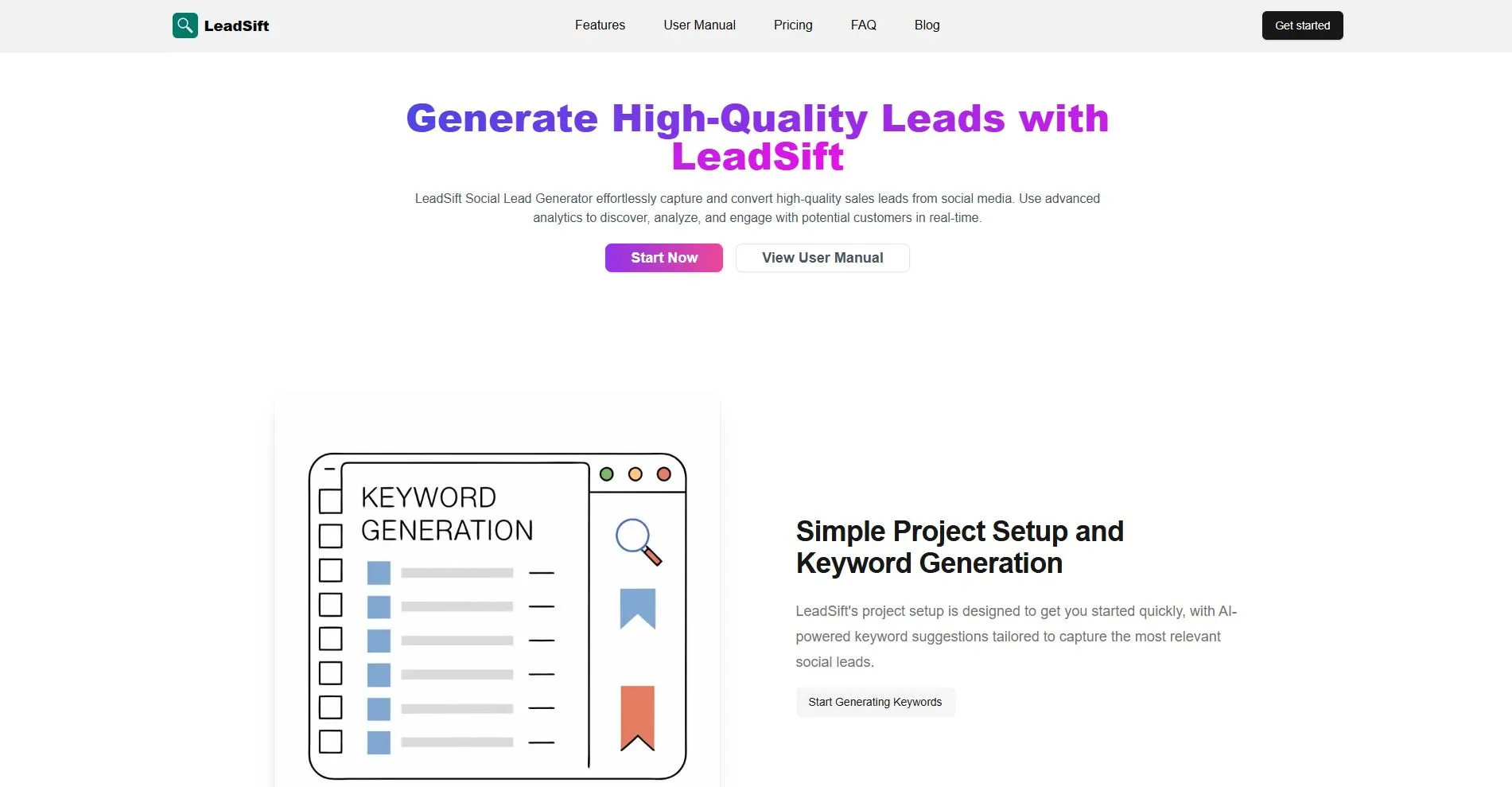
LeadSift focuses on identifying intent signals from social media conversations and content engagement.
Key Features
- Social media monitoring across multiple digital platforms.
- Topic engagement signals based on conversations and interactions.
- Content engagement insights for identifying interest trends.
Intent Data Capabilities
LeadSift analyzes discussions and engagement across social platforms to identify companies talking about specific business problems.
These signals help marketing teams detect emerging buying interest earlier in the research phase.
Best For
Marketing teams tracking industry conversations and early buying signals.
Criteria for Selecting the Right B2B Intent Data Provider
Not all intent data platforms provide the same level of insight or reliability. Choosing the right provider requires evaluating how accurately the platform identifies buying signals.
Sales teams should focus on practical factors that affect how useful the data will be in real prospecting workflows. These factors form the criteria for selecting B2B intent data provider that fits your sales strategy.
Data Source Transparency
The first factor to evaluate is where the intent data actually comes from.
Reliable b2b intent data providers clearly explain their data sources. These may include publisher networks, review platforms, website activity, or technology intelligence sources.
Platforms that provide transparent data sources are usually more trustworthy. Understanding how signals are collected helps sales teams evaluate the reliability of the insights.
Signal Accuracy
Intent signals are valuable only when they reflect real buying interest.
High-quality platforms focus on relevant behavioral signals such as product research, vendor comparisons, and solution-related content engagement. These signals are more meaningful than broad topic tracking.
The best B2B intent data providers prioritize high-quality signals that indicate genuine buying intent.
Company and Contact Coverage
Intent data becomes useful only when sales teams can identify the people responsible for buying decisions.
Some platforms only reveal which companies are showing intent. Others also provide access to decision-maker contacts within those organizations.
For outbound prospecting, combining intent signals with contact discovery significantly improves outreach effectiveness.
Integration with Sales Workflows
Intent data should integrate smoothly into existing sales processes.
Modern platforms typically integrate with tools such as:
These integrations allow sales teams to automatically move high-intent accounts into their prospecting workflows.
Pricing and Scalability
Pricing structures vary widely across different intent data providers.
Companies should evaluate several factors before choosing a platform:
- Subscription costs
- Data access limits
- Scalability as the sales team grows
Considering these elements helps organizations select a provider that supports long-term outbound growth.
`
Conclusion:
Modern B2B prospecting is shifting from random outreach to signal-driven engagement. Sales teams can now identify companies already researching solutions.
This is where b2b intent data providers create real value. They analyze behavioral signals across digital channels to highlight accounts showing real buying interest.
The best B2B intent data providers combine research signals with company intelligence and decision-maker data. When these insights connect with sales workflows, teams can start conversations much faster.
For outbound teams, platforms that connect intent signals with prospect discovery and outreach automation can accelerate pipeline generation. Tools like Oppora.ai help teams move from intent signal to qualified conversation faster, improving prospecting efficiency and pipeline quality.
FAQs
What is B2B intent data?
B2B intent data refers to behavioral signals that show when companies are researching products or solutions online, helping sales teams identify organizations that may soon enter a buying cycle.
How do B2B intent data providers collect buying signals?
B2B intent data providers collect signals from sources like publisher networks, review platforms, websites, and technology data providers to detect companies researching specific business topics.
Why is intent data important for B2B sales teams?
Intent data helps sales teams prioritize companies actively researching solutions, allowing them to focus outreach on prospects that are more likely to respond.
What are the benefits of using the best B2B intent data providers?
The best B2B intent data providers help identify high-intent accounts earlier, improve prospecting efficiency, and shorten sales cycles by engaging buyers during their research phase.
What should companies consider when choosing a B2B intent data provider?
Companies should evaluate data source transparency, signal accuracy, company coverage, integrations with sales tools, and pricing when selecting the right provider.