Before reaching out to potential customers, you first need to understand the companies you’re targeting.
That’s where firmographic data becomes essential for modern B2B sales and marketing teams. It helps you identify organizations that match your ideal customer profile by analyzing attributes like industry, company size, revenue, and location.
With the right firmographic insights, you can segment markets more precisely, prioritize better prospects, and build outreach campaigns that focus on companies most likely to convert.
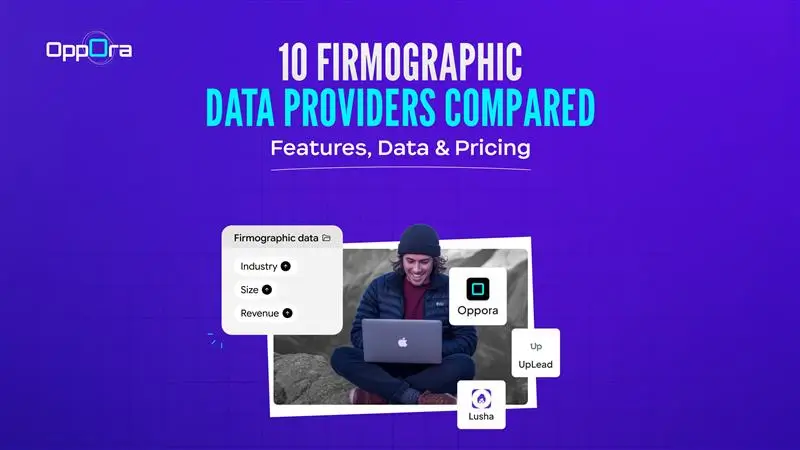
In this guide, you’ll compare ten firmographic data providers, including their features, coverage, and pricing approaches.
What Firmographic Data Means for Modern B2B Sales
To reach the right companies, you first need a clear understanding of who they are.
Firmographic data provides that clarity by describing key characteristics of businesses, including industry, company size, revenue, and geographic location. These insights help you identify organizations that match your ideal customer profile.
By using firmographic attributes, you can segment markets more effectively, prioritize qualified prospects, and focus your sales outreach on companies that are more likely to convert.
Core Types of Firmographic Data Businesses Use
When you start working with firmographic datasets, you’ll notice that not all company attributes serve the same purpose.
Some help you understand a company’s scale, while others reveal its market focus or operational maturity. By combining these data points, you can narrow broad company lists into targeted prospect segments that better match your ideal customer profile.
Company Size and Employee Count
Company size is one of the most commonly used firmographic filters in B2B prospecting.
Sales teams often categorize companies based on employee ranges such as small businesses, mid-market organizations, or large enterprises. This helps you prioritize prospects that align with your product pricing, service capacity, or deal size expectations.
Industry Classification
Industry data identifies the sector a company operates in.
This information allows you to focus on organizations within specific markets, such as SaaS, healthcare, manufacturing, or finance. Targeting by industry helps you tailor messaging, highlight relevant use cases, and build campaigns that resonate with companies facing similar challenges.
Revenue and Growth Indicators
Revenue data gives you a clearer picture of a company’s purchasing power and overall stability.
When combined with growth signals like funding rounds or hiring trends, it can help you identify businesses that are expanding and may be actively investing in new solutions or partnerships.
Location and Headquarters Information
Geographic information helps businesses segment prospects by region, country, or city.
This is especially important for teams running regional sales programs, managing territory assignments, or targeting markets where their product or service is most relevant.
Technology Stack Signals
Some firmographic datasets also include technographic insights showing which tools or platforms a company already uses.
These signals help you understand the company’s existing technology environment and identify opportunities where your product can integrate with or replace current solutions.
How to Evaluate Firmographic Data Providers
Choosing a firmographic data provider is not just about database size.
You need to consider how reliable the data is, how often it is updated, and how easily it fits into your existing sales workflow. The right provider should help your team discover relevant companies, maintain accurate records, and use that information directly inside your prospecting tools.
Data Coverage and Database Size
Database coverage determines how many companies a platform tracks and how detailed those records are.
Some providers focus on specific regions, industries, or company segments, while others maintain global datasets covering millions of organizations. Larger databases increase the chances of finding companies that match your ideal customer profile.
However, size alone does not guarantee usefulness. The depth of company profiles and available filters often matters just as much as the total number of records.
Data Accuracy and Verification Methods
Accurate firmographic data is essential for effective prospect targeting.
Reliable providers continuously verify company information using automated systems, human research teams, or trusted third-party data sources. Regular updates help ensure that attributes like company size, industry classification, and revenue estimates remain current.
Integrations and Workflow Compatibility
Firmographic data becomes far more valuable when it connects with the tools your team already uses.
Integrations with CRM systems, marketing automation platforms, and sales engagement tools allow you to enrich company records automatically and keep your prospect data consistent across your entire sales workflow.
Pricing Models and Data Access
Firmographic data providers use different pricing structures depending on how teams access and use the data.
Some platforms charge per contact or export, while others offer subscription plans or credit-based systems. Understanding how frequently your team searches, enriches, or exports company data helps you choose a pricing model that fits your workflow.
10 Firmographic Data Providers Compared
Once you understand how firmographic data works and how to evaluate providers, the next step is exploring the platforms available in the market.
Each provider differs in database size, enrichment capabilities, integrations, and pricing models. The following comparison highlights ten widely used firmographic data providers and explains where each platform is commonly used by B2B sales and marketing teams.
1. Oppora.ai
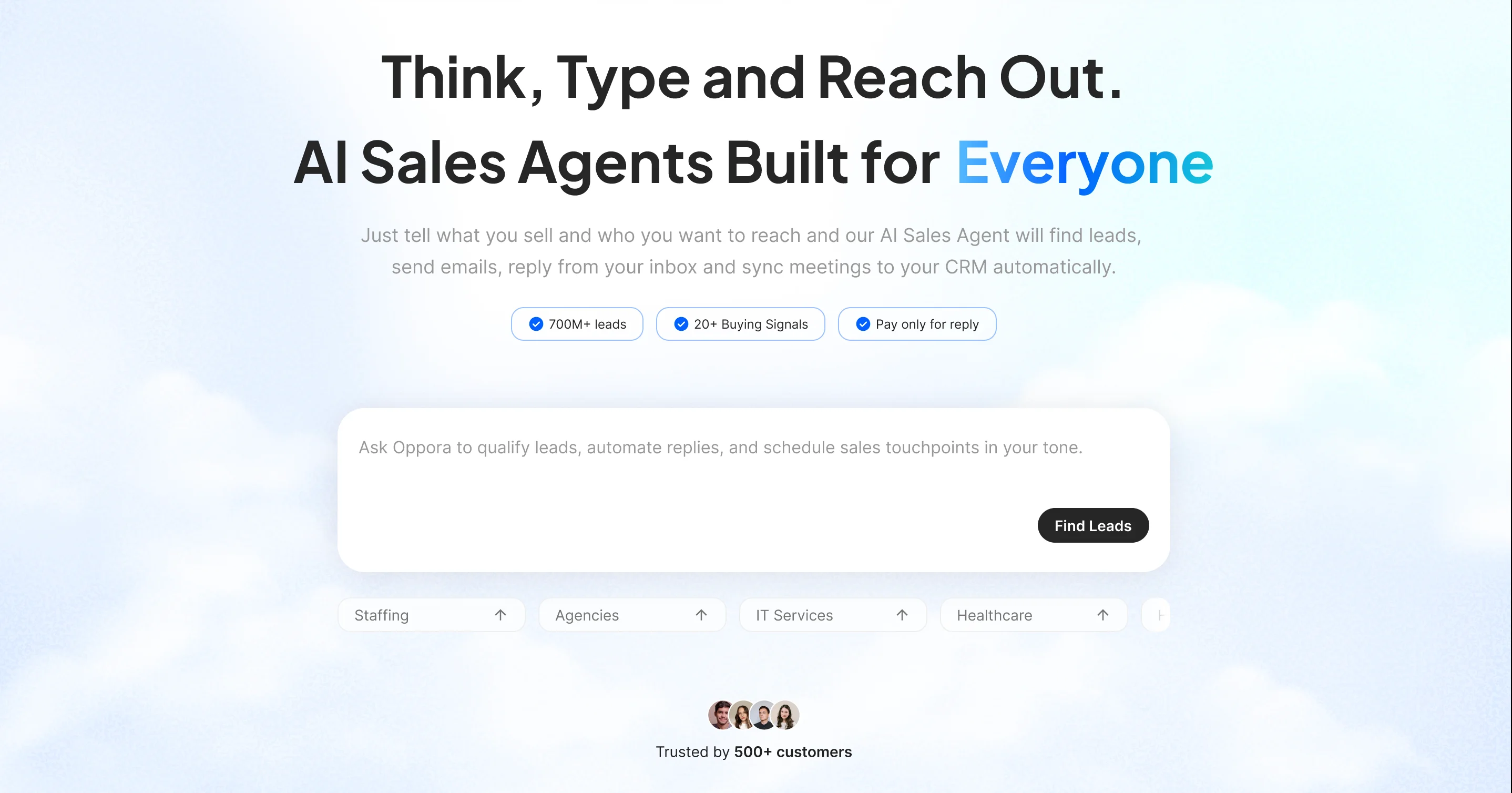
Oppora is an AI-powered outbound automation platform that helps teams find companies, discover leads, and run outreach campaigns automatically. With features like Company Finder, users can identify target companies and view firmographic data such as industry, company size, and location before starting campaigns.
Key Features
- Large B2B lead database with hundreds of millions of verified contacts
- Advanced filtering options to target leads by job title, industry, location, company size, and other criteria
- Built-in lead enrichment to add company and contact details automatically
- Real-time email verification to reduce bounce rates
- Multi-mailbox scaling with support for up to 50 inboxes
- Automatic domain warm-up and sender identity matching for better deliverability
- AI reply handling with automatic meeting booking
- CRM sync with tools like HubSpot, Salesforce, and Pipedrive
Data Coverage
- 700M+ verified contacts with waterfall sourcing
- Company Finder to discover target companies
- Firmographic data includes company filters such as industry, company size, company category, location, revenue, funding stage, founding year, and employee growth.
- Built-in enrichment and email verification for better targeting
Pricing Overview
- Free Forever plan with core features
- All-in-one pricing with no extra charges for leads or outreach
- Task-based credit system for transparent usage
- Unused credits roll over each month
- Outreach campaigns starting around $34/month
Best For
- Founders running outbound themselves
- Agencies managing multiple client campaigns
- SDR teams needing automation without heavy micromanagement
2. ZoomInfo
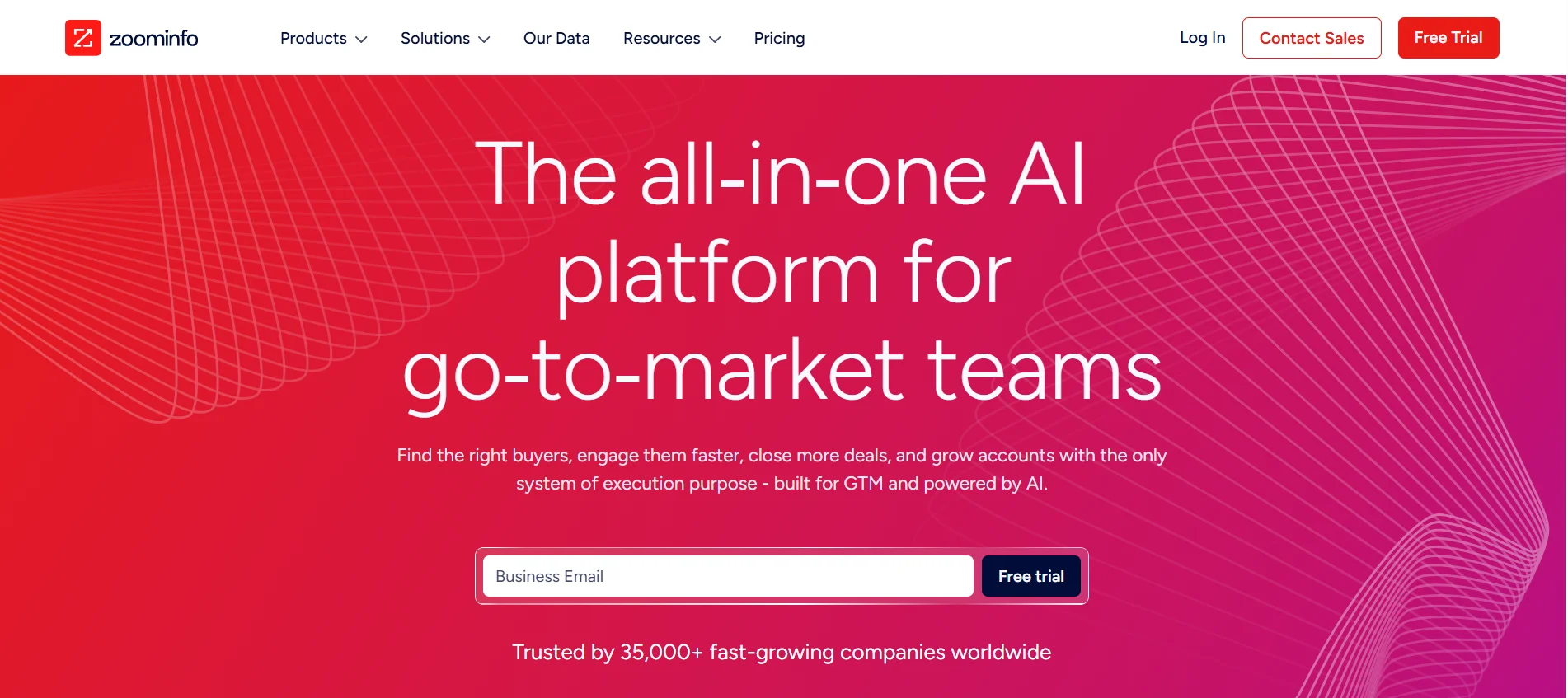
ZoomInfo is widely known as one of the largest B2B intelligence platforms used by sales and marketing teams.
It helps businesses discover companies, identify decision-makers, and analyze firmographic insights before starting outreach campaigns.
Key Features
- Large B2B contact and company database
- Advanced company search with firmographic filters
- Intent data to identify companies researching solutions
- Sales automation and CRM integrations
- Account intelligence and prospect tracking tools
Data Coverage
ZoomInfo maintains a large global database covering millions of companies across multiple industries.
Its platform provides detailed firmographic attributes such as company size, industry classification, revenue estimates, leadership information, and organizational structure.
Pricing Overview
ZoomInfo typically offers custom enterprise pricing based on factors like database access, number of users, and additional data modules.
Pricing usually varies depending on how extensively a team uses the platform.
Best For
Enterprise sales and marketing teams that need deep company intelligence, large prospect databases, and advanced filtering for account-based prospecting.
3. Clearbit
Clearbit focuses on company data enrichment that helps businesses improve the quality of their existing lead records.
Instead of only providing contact lists, the platform adds firmographic insights to inbound leads, signups, and CRM contacts so teams can better segment and route opportunities.
Key Features
- Real-time company and lead enrichment
- Firmographic and technographic data insights
- API access for automated data enrichment
- Form optimization for capturing enriched lead data
- CRM and marketing automation integrations
Data Coverage
Clearbit maintains strong company-level datasets widely used by SaaS companies and digital businesses.
Its enrichment engine adds attributes like company size, industry, revenue estimates, location, and technology stack directly to existing records.
Pricing Overview
Clearbit typically uses usage-based pricing that depends on enrichment volume and API access.
Costs vary based on the number of records enriched and how frequently data is processed.
Best For
SaaS and growth teams that want automated company enrichment for inbound leads, CRM records, and marketing workflows.
4. Apollo.io
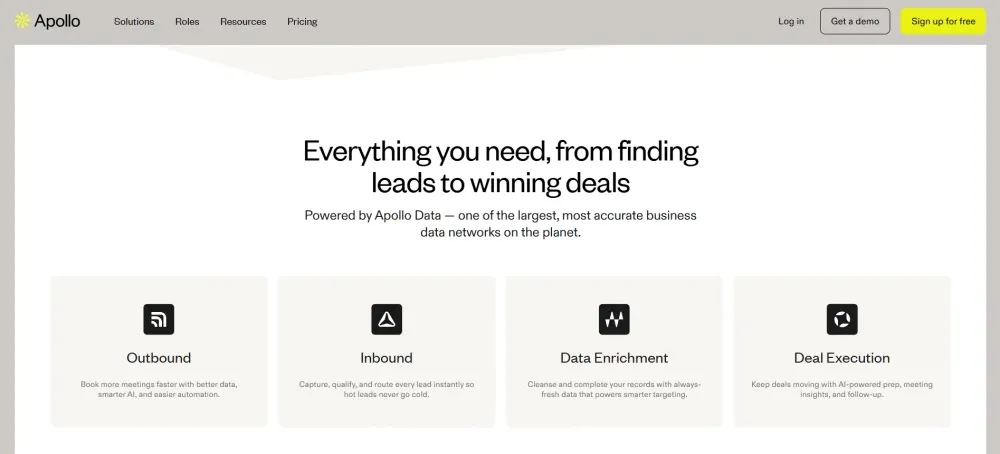
Apollo.io combines B2B prospect data with built-in outreach tools, allowing sales teams to manage prospecting and engagement from one platform.
Instead of switching between multiple tools, you can search for companies, identify decision-makers, and launch email campaigns directly within the same workspace.
Key Features
- Company and contact search with firmographic filters
- Large B2B prospect database
- Email sequencing and engagement tracking
- Built-in sales automation tools
- CRM integrations with platforms like Salesforce and HubSpot
Data Coverage
Apollo provides a large B2B database covering startups, agencies, SaaS companies, and mid-market organizations across multiple industries.
Company profiles typically include firmographic attributes such as industry, employee count, revenue estimates, and company location.
Pricing Overview
Apollo offers tiered pricing plans that range from free entry-level access to paid subscriptions with expanded data credits and advanced features.
Best For
Startups and growing sales teams that want prospect data, lead discovery, and outbound outreach capabilities within one unified platform.
5. Cognism
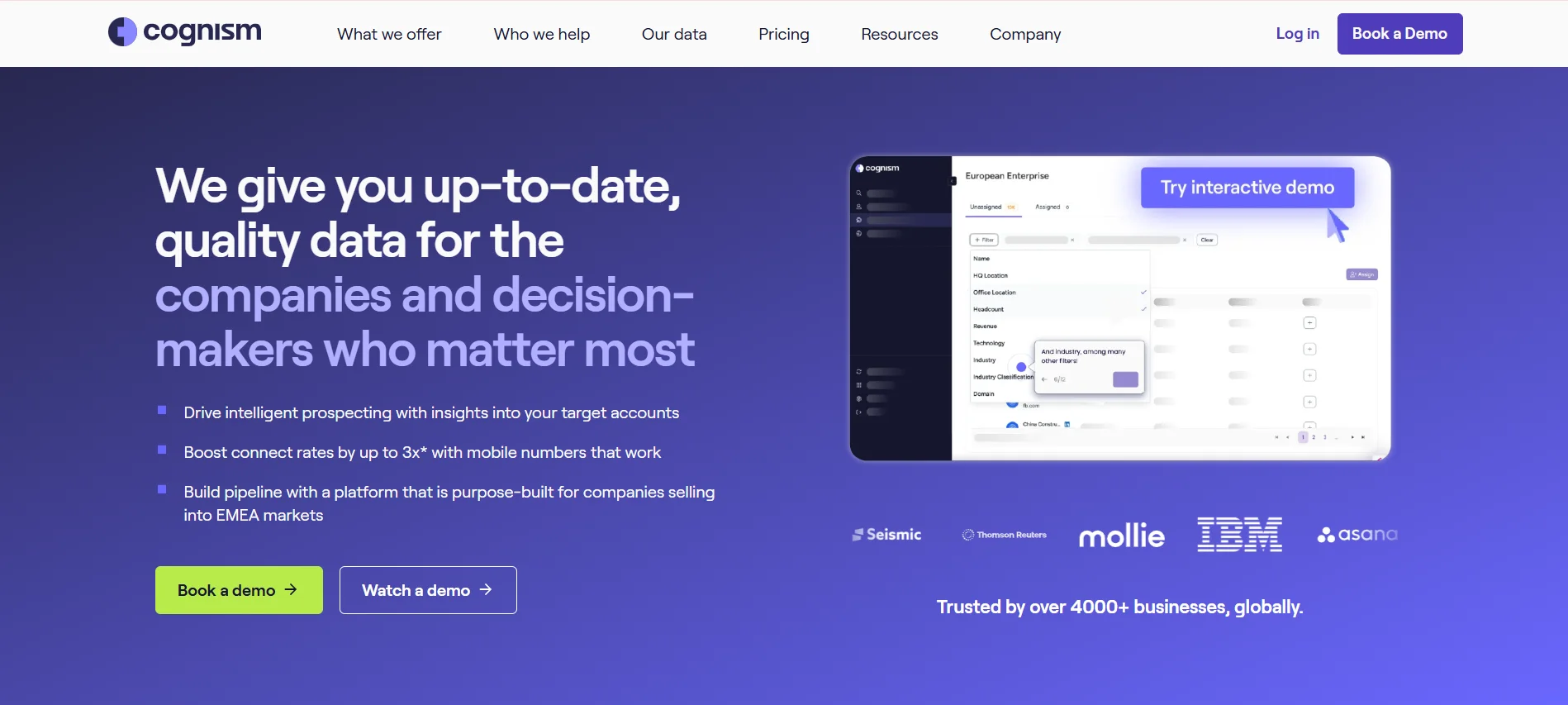
Cognism is a B2B data platform known for its strong focus on global company intelligence and regulatory compliance.
Sales teams often use it to identify target accounts, discover decision-makers, and build prospect lists while ensuring that contact data follows international data protection standards.
Key Features
- Global company and contact database
- Advanced firmographic and account search filters
- Compliance-focused data sourcing and verification
- Sales intelligence and prospecting tools
- CRM and sales engagement platform integrations
Data Coverage
Cognism provides extensive international coverage, particularly across European markets.
Company profiles typically include firmographic attributes such as industry, employee size, company revenue, and headquarters location, along with verified professional contact information.
Pricing Overview
Cognism generally offers custom pricing depending on the number of users, database access level, and additional sales intelligence features included in the subscription.
Best For
Organizations targeting international B2B markets that require compliant contact data and structured firmographic insights for global prospecting.
6. Lusha
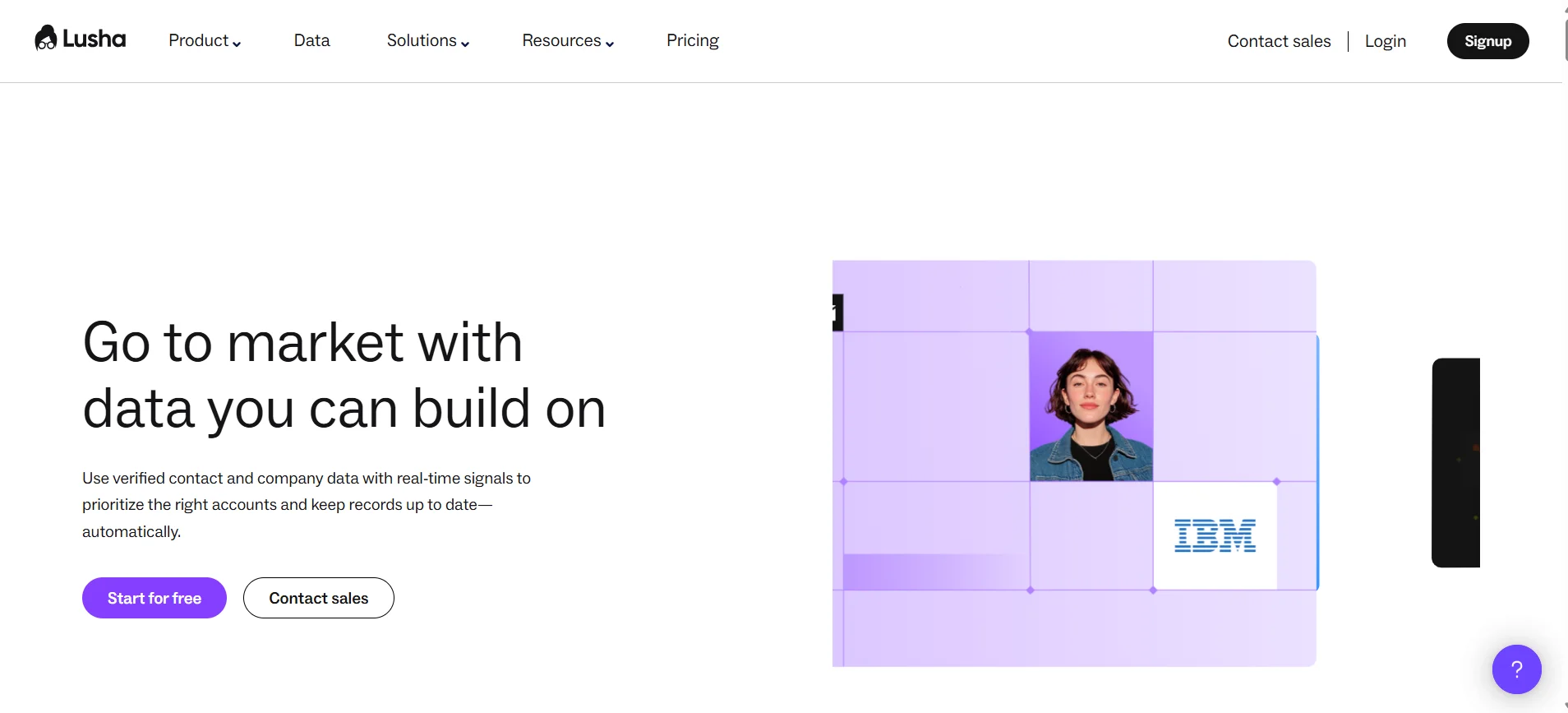
Lusha is a B2B prospecting platform that helps sales teams quickly find company and contact information for outreach.
The platform is commonly used for fast prospect lookup and lightweight data enrichment. Its simple interface allows users to search for companies and access firmographic insights without needing complex setup or advanced configuration.
Key Features
- Company and contact search functionality
- Browser extension for quick prospect lookup
- Firmographic filtering for company discovery
- CRM integrations for exporting prospect data
- Simple interface designed for fast lead research
Data Coverage
Lusha provides broad B2B company and professional coverage across multiple industries and organization sizes.
Company profiles typically include firmographic attributes such as industry classification, company size, geographic location, and estimated revenue, along with professional contact information.
Pricing Overview
Lusha offers subscription-based plans combined with credit usage for accessing contact and company records.
Users receive monthly data credits that can be used to unlock prospect details or export leads.
Best For
Small and mid-sized sales teams that want a straightforward tool for quick prospect discovery and basic firmographic data enrichment.
7. UpLead
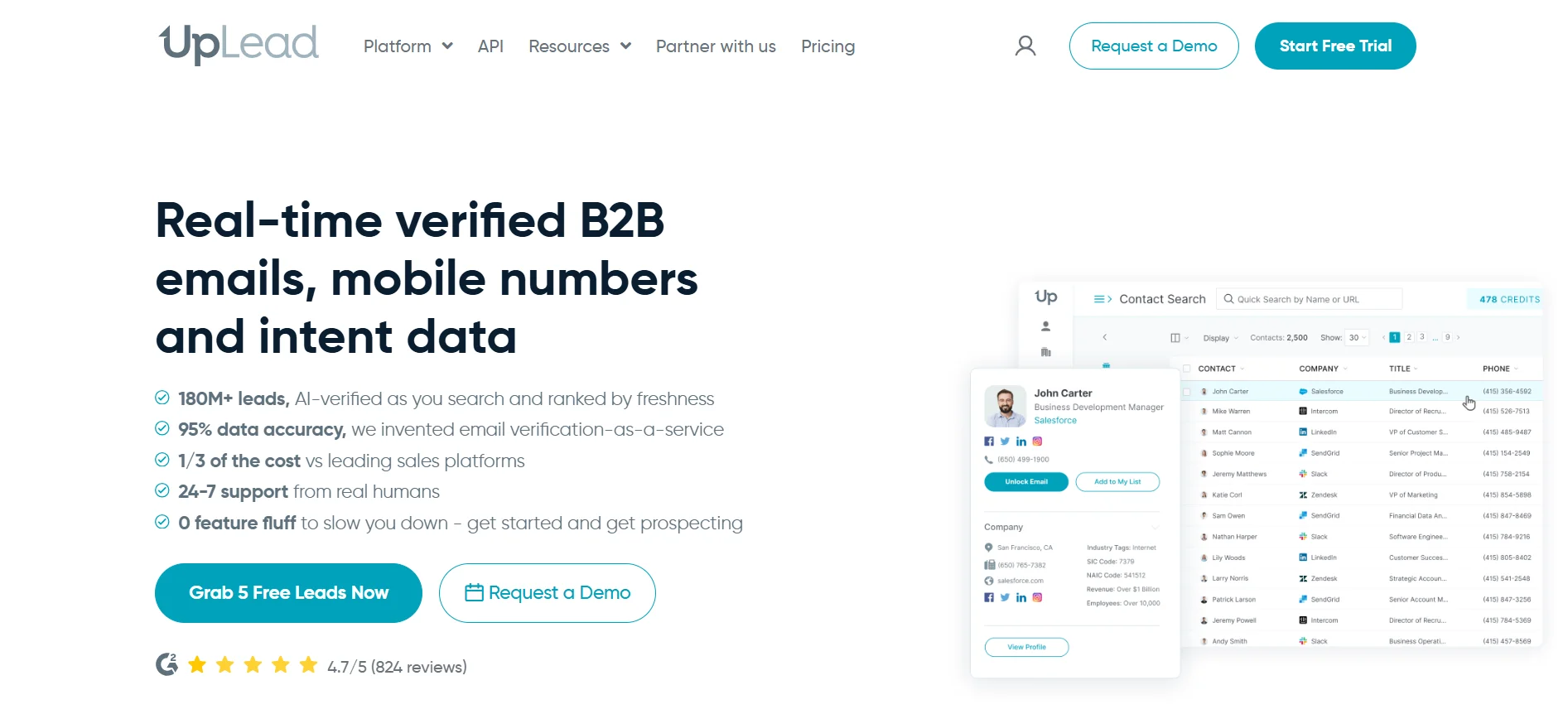
UpLead is a B2B prospecting platform focused on delivering verified company and contact data for sales teams.
The platform is designed to help businesses build cleaner prospect lists by combining firmographic search filters with real-time email verification. This reduces the risk of outdated or inaccurate contact information during outreach.
Key Features
- Company and contact search with advanced filters
- Real-time email verification for cleaner prospect lists
- Firmographic targeting by industry, company size, and location
- CRM integrations for easy data export
- List building tools for targeted prospecting campaigns
Data Coverage
UpLead provides broad B2B company and professional coverage across many industries and company sizes.
Company profiles include firmographic attributes such as industry classification, employee count, revenue estimates, and headquarters location.
Pricing Overview
UpLead uses transparent tiered pricing plans combined with credit-based data access.
Users receive monthly credits that can be used to unlock company and contact details.
Best For
Sales teams that prioritize verified prospect data and want simple tools for building accurate outreach lists.
8. Dun & Bradstreet
Dun & Bradstreet is one of the longest-established providers of business intelligence and company data.
Many enterprises use its datasets to research organizations, evaluate potential partners, and assess financial stability before entering business relationships. The platform is widely known for its structured company records and corporate identification system.
Key Features
- Extensive global business intelligence database
- Detailed company profiles and firmographic records
- Financial insights and credit risk analysis
- Corporate hierarchy and ownership data
- Integrations with enterprise data and analytics tools
Data Coverage
Dun & Bradstreet maintains global coverage across millions of companies and industries.
Its datasets often include firmographic attributes such as company size, industry classification, revenue estimates, headquarters location, and corporate family structures.
Pricing Overview
Pricing is typically customized based on the level of data access, company research features, and enterprise integrations required.
Best For
Large organizations needing detailed company intelligence, financial insights, and structured firmographic data for risk assessment and corporate research.
9. Lead411
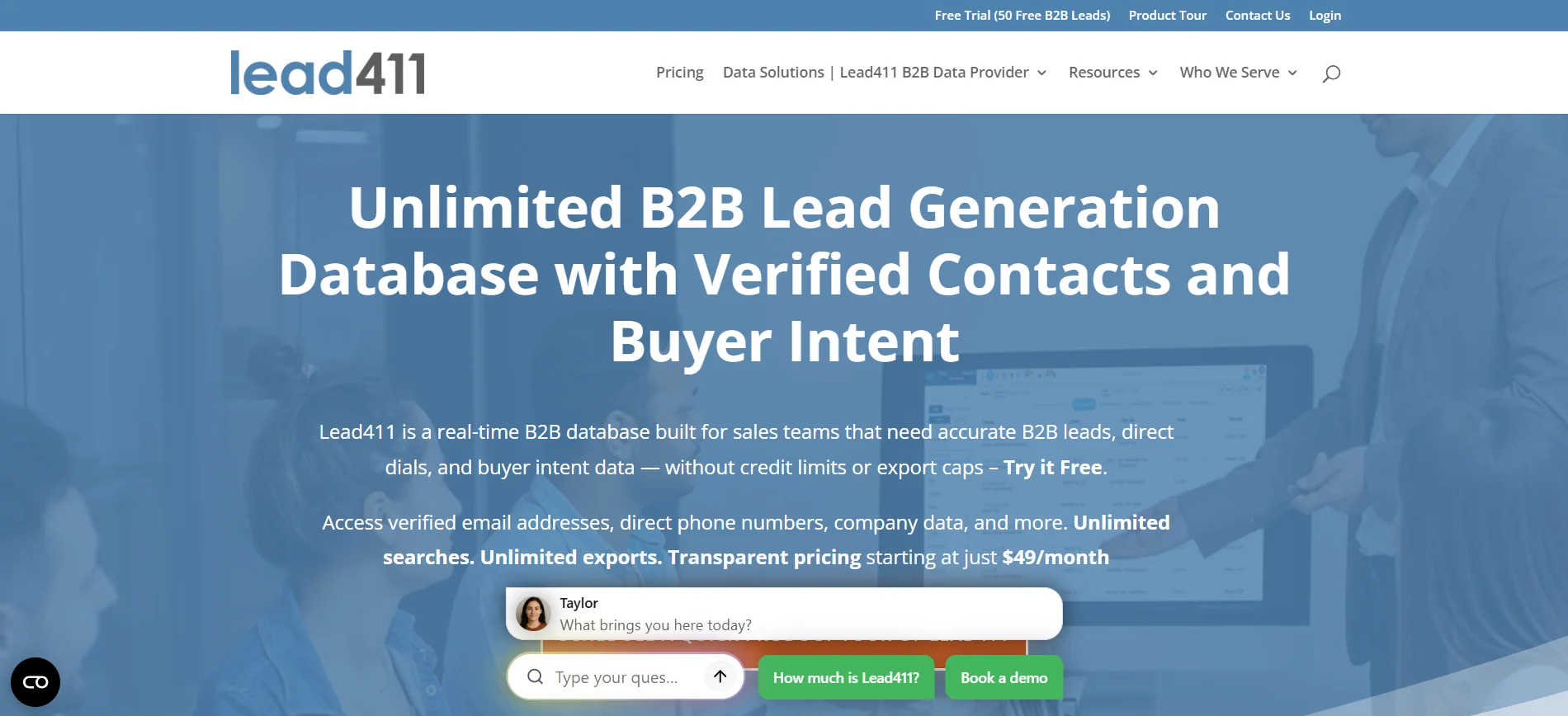
Lead411 is a B2B sales intelligence platform that combines firmographic company data with real-time sales triggers.
The platform helps sales teams identify companies that may be actively growing or investing in new solutions. By combining company insights with timing signals, businesses can prioritize prospects that are more likely to respond to outreach.
Key Features
- Company and contact search tools
- Firmographic filtering for targeted prospecting
- Sales trigger alerts such as funding and hiring activity
- CRM integrations for exporting lead data
- Prospect list building for outbound campaigns
Data Coverage
Lead411 provides broad B2B company and contact coverage across multiple industries and organization sizes.
Company profiles often include firmographic attributes such as industry classification, employee count, revenue estimates, and headquarters location.
Pricing Overview
Lead411 offers transparent subscription plans designed primarily for small and mid-sized sales teams.
Best For
Sales teams that want firmographic targeting combined with real-time sales signals to identify companies likely to be in a buying cycle.
10. Global Database
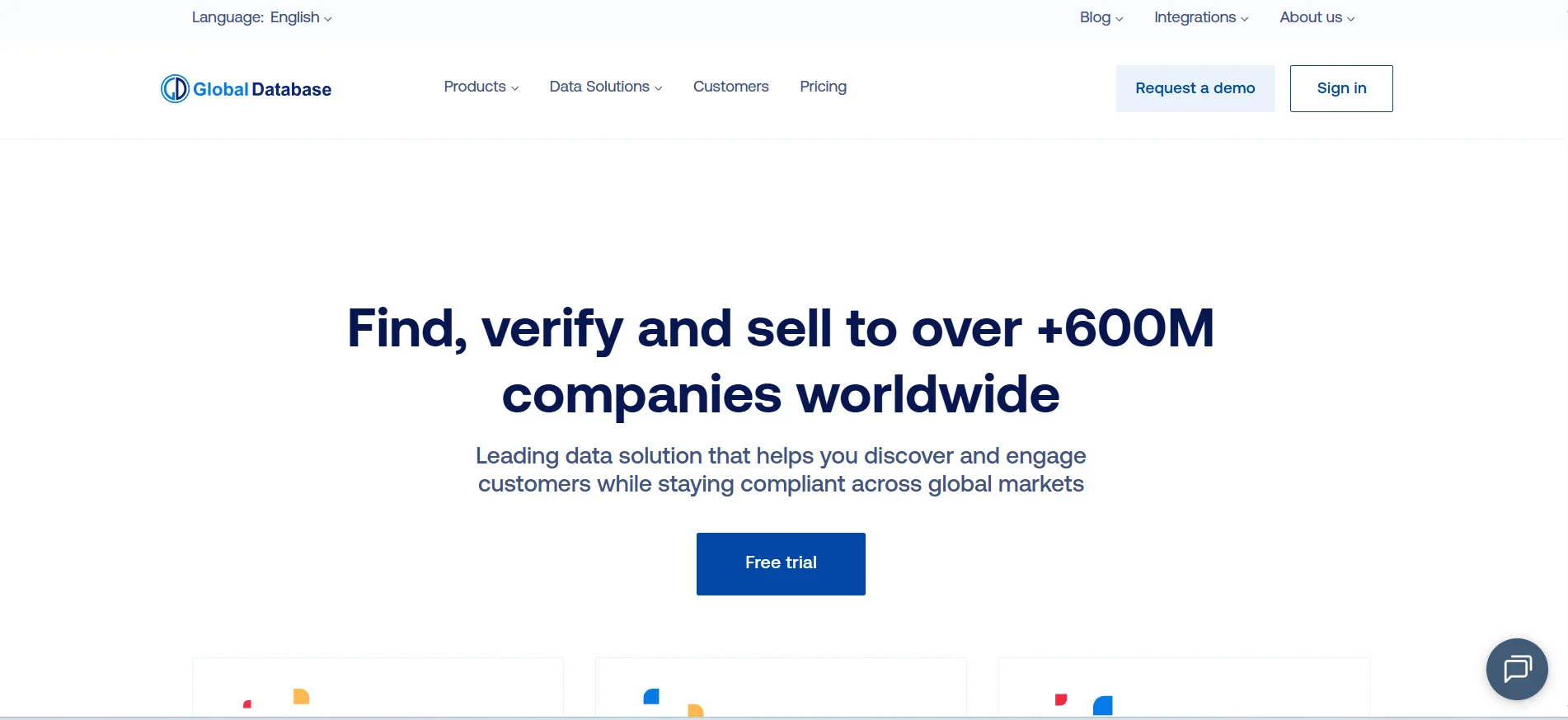
Global Database is a B2B company intelligence platform focused on providing international business information.
It helps businesses research organizations across multiple countries and industries, making it useful for teams exploring new markets or identifying global partnership opportunities.
Key Features
- International company search and research tools
- Detailed company profiles and firmographic data
- Financial insights and company performance indicators
- Industry classification and market segmentation filters
- Export options for building prospect lists
Data Coverage
Global Database offers strong international coverage with company records from many regions and industries.
Company profiles typically include firmographic attributes such as industry classification, company size, revenue estimates, headquarters location, and key company details.
Pricing Overview
Pricing is usually customized based on the regions accessed, database size, and level of company intelligence required.
Best For
Businesses researching international markets, identifying global partners, or building prospect lists across multiple geographic regions.
Conclusion
Firmographic data helps you move beyond random prospecting and focus on companies that actually match your ideal customer profile.
By understanding attributes like company size, industry, revenue, and location, you can segment markets more effectively and build outreach campaigns that target the right organizations from the start.
However, data alone is only one part of successful outbound. You still need a system that turns company insights into real conversations and meetings.
This is where tools like Oppora help bridge the gap. Instead of manually finding companies, enriching leads, and running outreach, Oppora’s AI agents can identify target companies, gather firmographic insights, and execute campaigns automatically so your sales pipeline keeps moving.
Frequently Asked Questions (FAQs)
How often should firmographic data be updated?
Firmographic data should ideally be updated continuously or at least every few months. Company attributes such as employee count, revenue, or headquarters location can change quickly. Providers that refresh data regularly help ensure sales teams work with accurate information when identifying prospects and planning outreach campaigns.
What is the difference between firmographic and demographic data?
Firmographic data describes characteristics of companies, such as industry, company size, and revenue. Demographic data focuses on individuals, including age, gender, job title, or interests. In B2B marketing and sales, firmographic data is mainly used to identify target companies and segment business markets.
Can firmographic data help with account-based marketing (ABM)?
Yes, firmographic data plays a key role in account-based marketing. It helps teams identify companies that match their ideal customer profile. By filtering organizations based on attributes like industry, size, or revenue, businesses can build targeted account lists for personalized outreach campaigns.
Is firmographic data useful for startups and small sales teams?
Firmographic insights are useful for businesses of all sizes, including startups. Small teams can use this data to focus limited resources on companies most likely to convert. This improves prospecting efficiency and helps avoid wasting time contacting organizations that are not a good fit.
What should you look for when choosing a firmographic data provider?
Beyond database size, businesses should evaluate data accuracy, update frequency, available filters, and integration options. A good provider should deliver reliable company insights that connect easily with CRM systems and sales tools, allowing teams to enrich records and manage prospect data within their existing workflows.